Exploring the world of craft beer can be a blast! There’s a whole range of styles out there, each with its own unique flavors and aromas. Whether you’re a hop-head or a malt lover, there’s something for everyone. Let’s dive into some popular beer styles you might want to try!
IPAs (India Pale Ales) are often the star of craft beer. They pack a punch with their bold hop flavors, ranging from piney to citrusy. If you love a refreshing, hoppy beer, pick up an IPA. You'll find tons of varieties, from West Coast IPAs that are super bitter to hazy New England styles that are juicy and smooth.
Stouts and Porters are the dark side of beer and perfect for those who enjoy rich, deep flavors. Stouts often have notes of coffee, chocolate, and caramel. Porters, while similar, can be a bit lighter and are great for sipping. They’re a cozy choice, especially during colder months.
If you’re looking for something lighter, Wheat Beers are a fantastic option. These beers are often fruity and refreshing, perfect for a sunny day. Think of *hefeweizens*, which are German wheat beers with banana and clove notes. They’re super easy to drink and great for newbies.
Don’t forget about Belgian Ales, which can be super fun to explore. These beers come with all sorts of flavors, from fruity and spicy to sweet and complex. They often have a bit of a higher alcohol content, so they’re great for sipping slowly while you chat with friends.
Essential Brewing Gear for Home Brewers
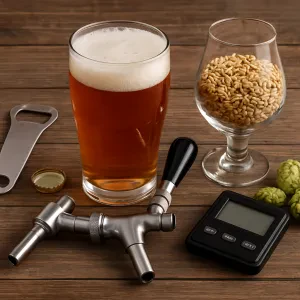
Getting into home brewing is super exciting, and having the right gear makes it way easier and a lot more fun. Let’s dive into some essentials that every home brewer should have. You’ll be raising a glass of your own delicious beer before you know it!
1. Brewing Kettle
A good brewing kettle is a must-have. Look for one that's large enough to handle your batch size, usually around 5 gallons. Stainless steel is a great choice because it heats evenly and lasts a long time. You’ll love the convenience of having a sturdy kettle that can hold up to all the boiling and steeping.
2. Fermenter
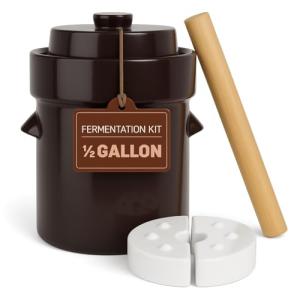
Next up is the fermenter. This is where the magic happens! A food-grade plastic bucket or glass carboy will do the trick. Make sure it comes with an airlock to let gases escape while keeping pesky bugs out. It's all about creating a cozy, controlled environment for your yeast to work its magic.
3. Brewing Thermometer
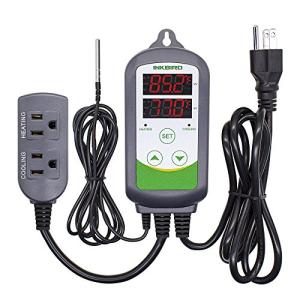
A reliable thermometer helps you keep an eye on the temperature throughout the brewing process. This is key because the right temps matter for everything from mashing the grains to fermentation. Look for something easy to read and quick to respond. You’ll want to check it often!
4. Bottling Equipment
Finally, don't forget your bottling gear! You’ll need bottles, caps, and a capper. Some folks like kegging, but if you’re going the traditional route, a plain old bottle will work just fine. Make sure to clean and sanitize everything before you start filling those bottles. You want your homebrew to taste amazing!
Understanding Beer Flavor Profiles
Beer flavor profiles can feel a bit overwhelming at first, but once you break them down, it all makes sense. Think of them as the different tastes you get in each sip. You can pick up on fruitiness, bitterness, sweetness, and even spices. Each style of beer has its unique flavor profile, and learning about them can make your beer-drinking experience so much richer.
Let’s start with two big flavor categories: hops and malt. Hops usually add that zesty, bitter kick, bringing in flavors like citrus, pine, or floral notes. If you love IPAs, you’ll notice these hop-forward flavors shining through. On the flip side, malt gives beer its body and sweetness. Depending on how it’s roasted, you might taste chocolate, caramel, or even bread-like notes. Stouts and porters are perfect examples of beers where malt really shines.
Don’t forget about the yeast! This little microorganism can change everything. Some yeast strains add funky flavors or a bit of spiciness, while others keep things clean and straightforward. Belgian beers are famous for their unique yeast flavors, which can bring fruity and spicy notes to the table. You might be surprised how much yeast influences the final taste!
Lastly, temperature and serving style can change your perception of flavors. A cold pilsner hits differently than a room-temperature stout. Try experimenting a bit and see how flavors seem to pop or mellow depending on how you enjoy your beer. So grab a variety of brews, and let your taste buds explore the fun world of beer flavor profiles!
Tips for Pairing Beer with Food
Pairing beer with food can elevate your dining experience to a whole new level. Here are some easy tips to help you find that perfect match.
Start with the Basics: Generally, lighter beers go well with lighter foods, and heavier beers pair nicely with heartier dishes. Think of a crisp pilsner alongside a fresh salad or a robust stout with a rich chocolate dessert. It’s all about balancing flavors!
Match Intensity: When you pick your beer, consider the flavor intensity of your food. A hoppy IPA can stand up to spicy dishes like buffalo wings or tacos, while a smooth lager complements simple grilled chicken or fish. Let the flavors play together!
Experiment: Don’t be afraid to try out different combinations. If you love a particular beer, give it a shot with various foods. You might stumble upon an unexpected pairing that becomes your new favorite.
Consider the Seasonal Factor: Seasonal foods and beers can be a match made in heaven. Enjoy a pumpkin ale with a hearty fall stew or a fruity wheat beer in the summer alongside a fresh fruit salad. Embrace the seasons, and your meals will sing!